
Civic Life
Superior Court Judge Dismisses Legal Challenge to Municipal Automated License Plate Reader Networks
Ruling confirms local police departments operate automated vehicular cameras within state privacy statutory boundaries while maintaining strict data retention limits.
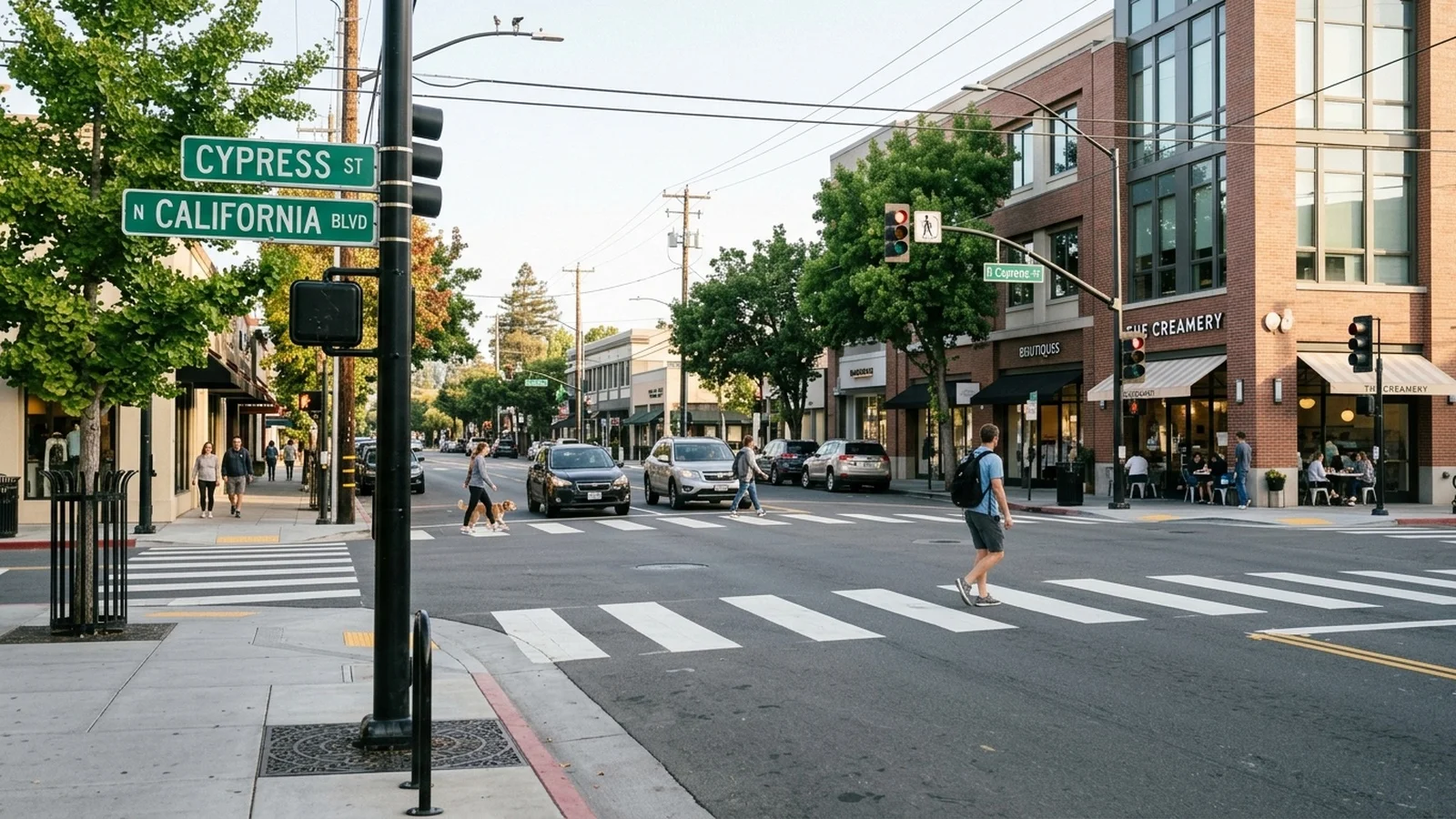
A regional California Superior Court judge issued a definitive ruling on Wednesday dismissing a high-profile constitutional lawsuit that challenged municipal automated license plate reader deployments across Bay Area transportation corridors. The judicial order established that regional law enforcement agencies operate roadside automated cameras in full compliance with state privacy statutes, affirming that vehicular tracking in public thoroughfares does not violate reasonable expectations of privacy under the state constitution. The legal determination provides long-term clarity for municipal public safety programs throughout Contra Costa County.
The legal challenge, brought by civil liberties advocates, sought an injunction against municipal camera systems operated by several East Bay and South Bay law enforcement departments. In a sixty-page memorandum of decision, the presiding judge ruled that automated systems scanning license plates against active stolen vehicle registries and felony warrant databases serve compelling public safety interests. The court observed that municipal policies mandating thirty-day automatic data purges for non-hit scans provide adequate statutory protections against warrantless surveillance across urban corridors.
Suburban shopping center operators and business associations along North Main Street and Ygnacio Valley Road applauded the judicial ruling, citing automated cameras as vital tools in curbing retail theft rings and vehicle burglaries. Regional law enforcement commanders noted that real-time license plate alerts have directly led to the recovery of dozens of stolen vehicles and expedited missing person searches throughout Contra Costa County. Civil liberties attorneys expressed disappointment with the decision, indicating plans to petition for appellate review regarding long-term aggregate travel pattern tracking.
The municipal city council police oversight committee reviewed the court's ruling during its Thursday administrative session, reaffirming strict adherence to the city's transparency dashboard. Administrative analysts confirmed that the police department publishes quarterly audit logs documenting every outside agency search query into the municipal license database. The judicial opinion noted that city policies prohibiting the sharing of camera data with federal immigration enforcement agencies strictly uphold California Senate Bill 54 compliance.
Motorists and privacy advocates can review Walnut Creek's automated license plate reader usage policy, annual audit reports, and data encryption specifications on the municipal transparency portal at walnutcreekca.gov. The city council public safety committee will hold its annual automated surveillance technology review during its regularly scheduled public meeting on Tuesday, December 8. Citizens wishing to inspect physical camera installation records may submit administrative requests directly to the city clerk office.
Comments (0)
No comments yet. Be the first to share a thought on this story.