
Technology & AI
San Francisco Startup Industrial Next Unveils Modular AI Factory Robotics Alongside BMW Partnership
Computer vision breakthrough enables automotive manufacturing lines to reconfigure assembly stations in minutes rather than months, slashing tooling expenses.
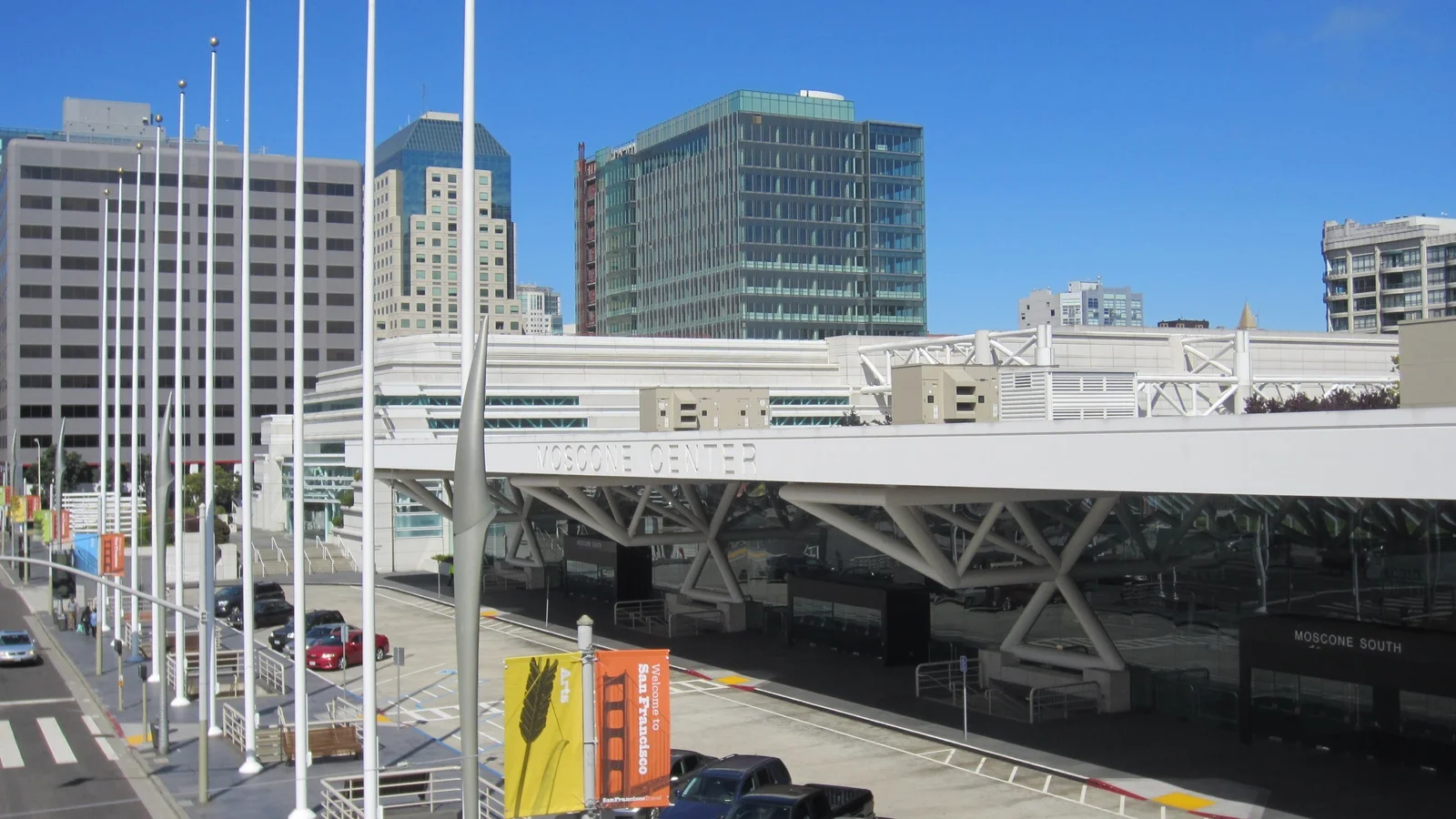
San Francisco robotics pioneer Industrial Next took the main stage at TechCrunch Disrupt on Thursday morning to unveil its modular autonomous factory operating system, announcing a flagship commercial deployment agreement with the BMW Group. The company's platform combines spatial computer vision, continuous reinforcement learning, and modular robotic end-effectors that enable automotive assembly cells to dynamically adapt to varying vehicle chassis without costly line shutdowns. Founders presented live demonstrations of the modular robotic arms at Moscone West.
Traditional automotive manufacturing facilities require months of physical retooling and millions of dollars in engineering labor when introducing new electric vehicle configurations or revised interior packages. Industrial Next's autonomous cells utilize overhead stereoscopic cameras and tactile sensors that observe human workers, learn component assembly sequences in real time, and adjust robotic grasp angles on the fly. BMW production engineers confirmed that pilot deployments at its Munich research facility achieved a ninety-four percent reduction in changeover downtime during prototype vehicle trials.
Venture capital investors and manufacturing leaders across California hailed the announcement as a milestone for physical artificial intelligence, demonstrating that foundational vision models can operate reliably in harsh industrial environments. Automotive sector analysts noted that modular robotic cells lower the capital expenditure barrier for specialized hardware manufacturing, allowing agile startups to produce complex electromechanical products domestically. Industrial engineers praised the system's ability to self-calibrate after minor mechanical misalignments without requiring manual reprogramming.
The municipal city council economic development office praised the homegrown San Francisco startup for retaining its core engineering research and prototype testing facilities within the city's design district. Company founders confirmed that Industrial Next plans to double its local engineering workforce over the coming year, recruiting specialized mechanical engineers, motion control experts, and embedded systems programmers. The company reiterated that its technology is designed to assist and ergonomically protect human assembly workers rather than eliminate manufacturing employment.
Prospective industrial partners and robotics researchers can examine technical white papers, hardware interface specifications, and factory floor demonstration recordings at industrialnext.ai or visit the company's San Francisco showcase facility. Industrial Next confirmed that general availability for commercial production facilities across North America will commence in the second quarter of 2027. Early customer evaluations are currently accepting commercial reservations for qualified automotive and aerospace equipment manufacturers.
Comments (0)
No comments yet. Be the first to share a thought on this story.